
Case Study
- Home
- Anthony Gucciardo Case Study
From 0 to 67 Seller and 96 Buyer Leads for a Real Estate Brokerage.
Overview
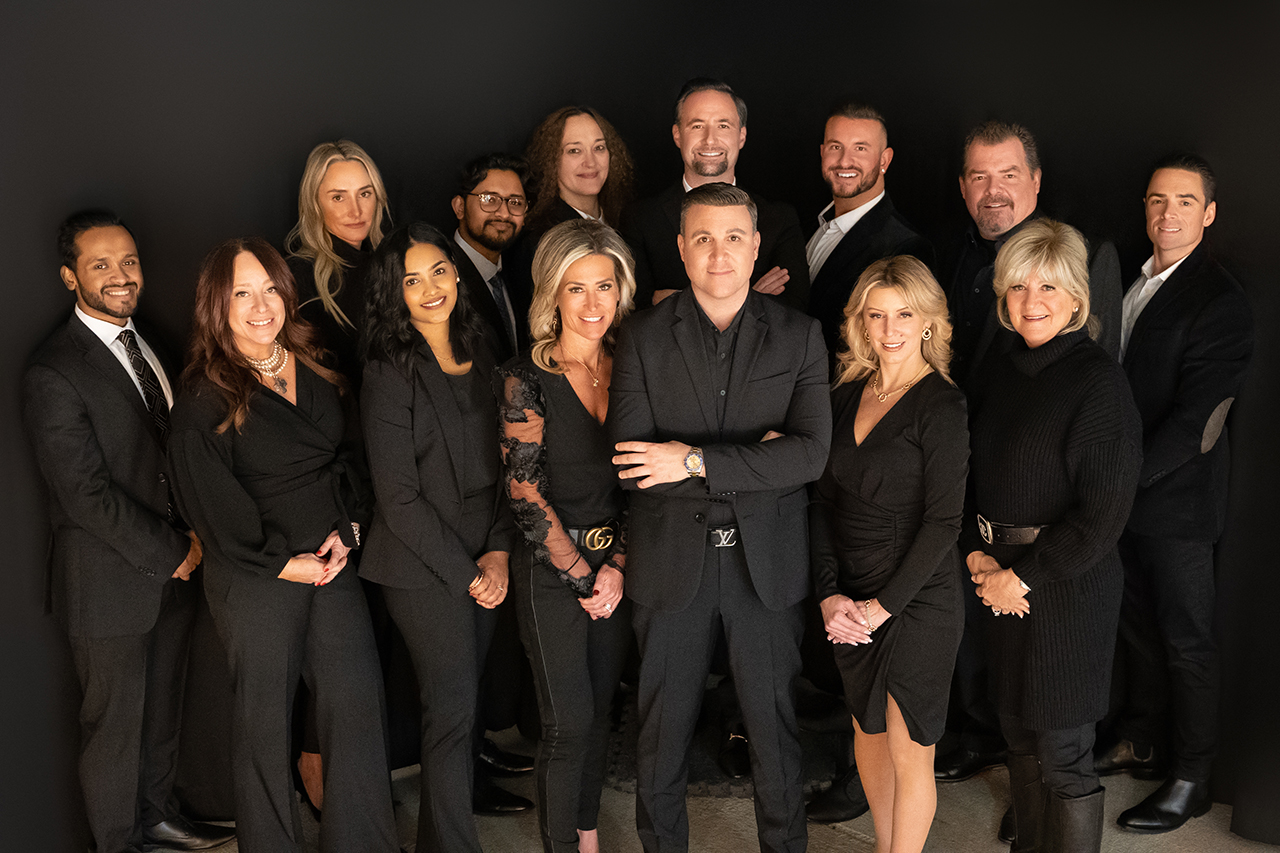
I worked with Anthony Gucciardo, a highly established Upstate New York realtor, to solve a problem I see often: a dominant offline brand paired with a weak, underperforming online presence.
Despite decades of experience and exceptional sales volume, Anthony’s website was producing almost no meaningful inbound leads. This case study breaks down how I identified the real issue, why surface-level SEO wasn’t the answer, and how a trust-first website rebuild turned his site into a consistent source of qualified seller and buyer inquiries.
Client Background

Anthony Gucciardo is a well-known real estate professional in Upstate New York with:
Over 20 years of experience
More than $1 billion in lifetime real estate sales
Strong offline exposure through billboards, print ads, and local brand recognition
From a reputation standpoint, he was already a market authority. Online, that authority wasn’t translating at all.
The Problem I Identified
High Monthly Cost, Almost No Return
When I reviewed Anthony’s setup, he was paying $1,000 per month for a corporate-built real estate website with basic SEO included.
Across the entirety of 2024, the results were:
One seller lead
A handful of low-quality buyer inquiries
No consistent inbound pipeline
For a top-producing agent, that level of performance simply didn’t make sense.
A Website That Undermined Trust
After auditing the site, the issues were immediately clear:
Outdated design on both desktop and mobile
- No valuable SEO work done.
Weak or buried credibility signals
Poor visual hierarchy
Long, friction-heavy contact forms
Annoying popups trying to capture people’s info
The site didn’t reflect who Anthony actually was in real life. Instead of reinforcing trust, it created doubt—especially for sellers making high-stakes decisions.
At that point, I knew this wasn’t just an SEO problem. It was a trust, positioning, and conversion problem.
This is what Anthony’s website looked like before
My Solution
A Full Rebuild Instead of Incremental Fixes
Anthony first was interested in tweaking the website he had currently. I advised Anthony against trying to “optimize” a broken foundation. Instead, I recommended a complete website rebuild.
The rebuild took approximately one month and cost $10,000. The objective wasn’t aesthetics alone—it was aligning the website with how homeowners actually choose an agent.
The main goal was to answer 3 main questions:
- Who are you?
- What do you do?
- How do I know you’ll do a good job for me?
How I Structured the New Site
Designing Around Seller Psychology
Rather than hiding behind a corporate look, I structured the site to feel personal, local, and authoritative:
Anthony’s image, background, and story were made prominent
His longevity and local credibility were clearly communicated
The site reflected the reputation people already knew offline
Making Proof Impossible to Ignore
Most agents hide their numbers. We did the opposite.
Dozens of verified five-star reviews were showcased
Industry recognition and experience badges were displayed visually
Lifetime and annual sales volume were presented transparently
That level of openness immediately differentiated Anthony from competitors.
UX and Conversion Optimization
From a usability standpoint, everything was simplified:
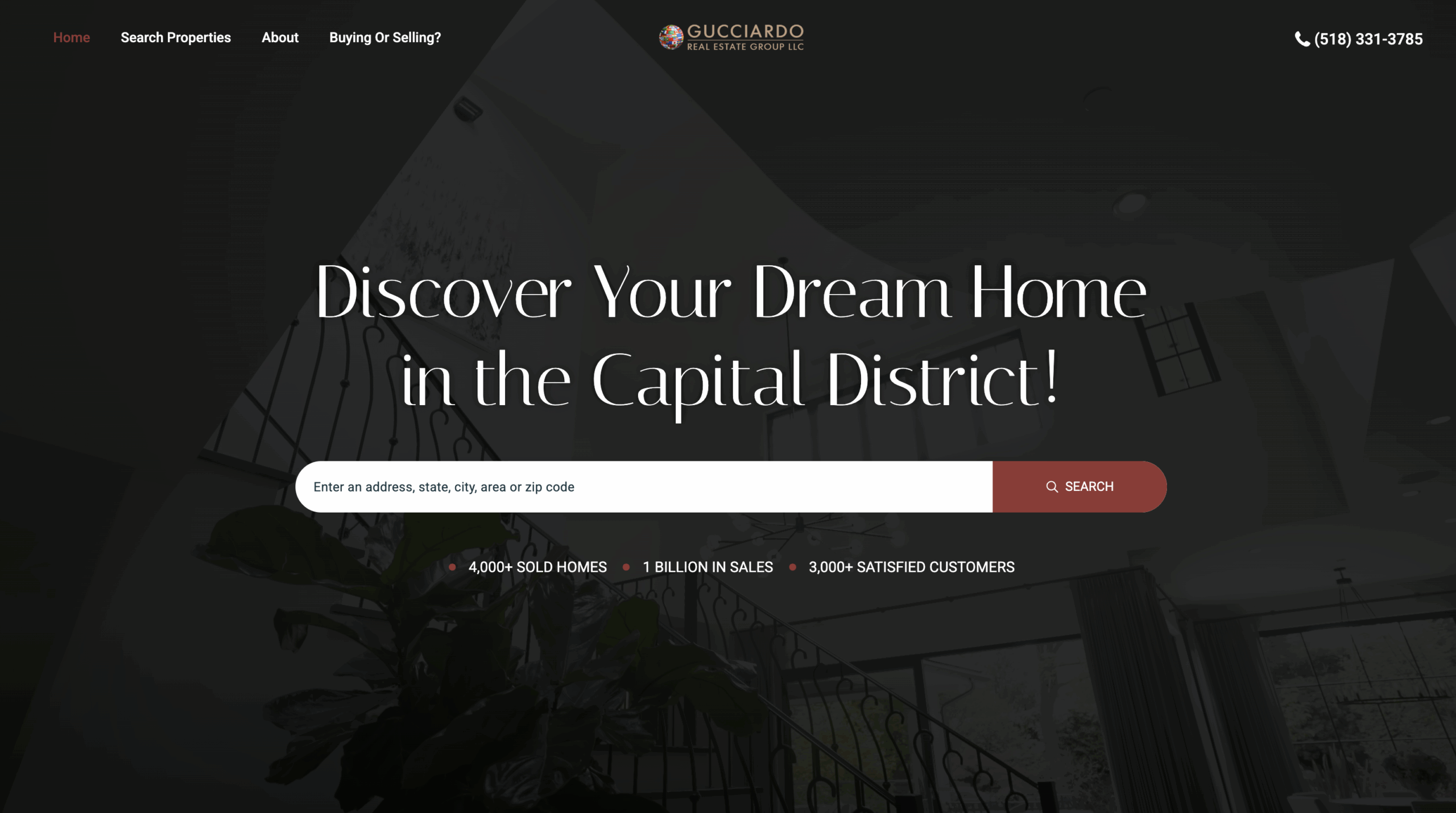
Clean layouts with strong visual hierarchy
Fast load times and mobile-first responsiveness
Contact forms reduced to essential fields only
No friction. No confusion. No unnecessary steps.
This is what Anthony’s website looked like after
Launch and Immediate Results
The new website launched in late February 2025.
Within just a few days, the site generated a high-quality seller lead through the redesigned contact form—something the previous site failed to do for nearly an entire year.
Here’s the proof:
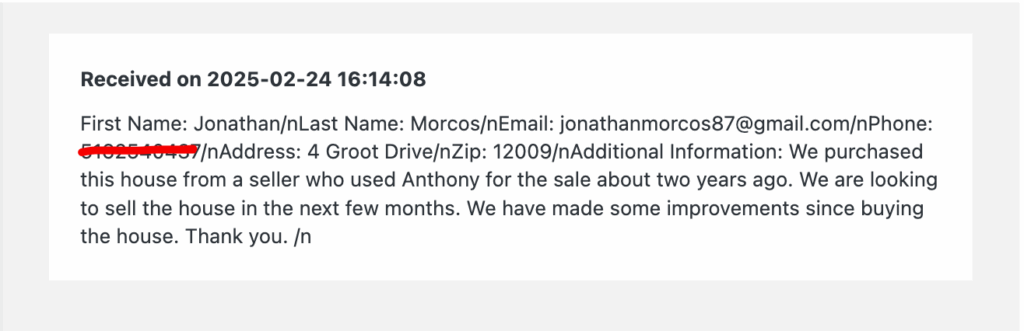
That early conversion validated the strategy immediately.
Post-Launch Strategy
Once the site proved it could convert, I shifted focus to traffic acquisition.
Starting in March 2025, I implemented a two-part approach:
SEO campaigns targeting intent-heavy local keywords. Anthony already had strong domain authority, we needed to rank for the right keywords.
Google Ads to accelerate visibility during the spring real estate season
The goal wasn’t traffic volume—it was attracting users who were ready to take action.
Results by the End of 2025
Anthony initially told me he’d be happy with one or two seller leads per month.
We far exceeded that.
Performance Breakdown
Within months:
Approximately two seller leads per week
A steady flow of qualified buyer inquiries
By the end of 2025:
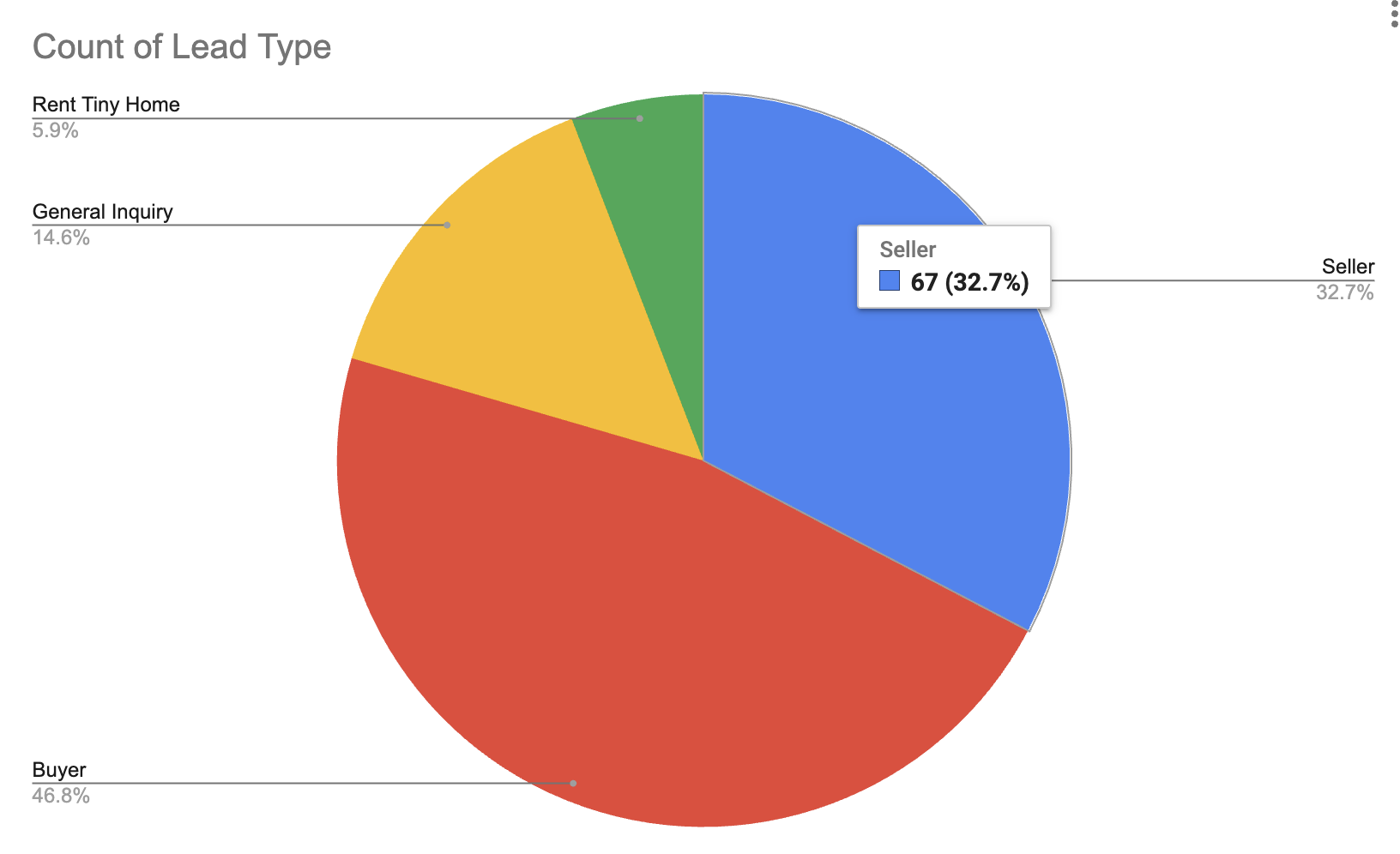
~215 total form submissions
~67 seller leads
The remainder consisted of buyer leads and a small number of general inquiries
Most leads were verified as legitimate prospects
The website shifted from a passive brochure into a core business development asset.
Anthony’s Year End Results
Why This Worked
This outcome wasn’t luck—it was fundamentals executed correctly.
Trust Was Treated as the Primary Conversion Lever
Anthony’s experience and results were positioned where they actually influence decisions.
Simplicity Reduced Drop-Off
Clean structure eliminated hesitation and improved engagement.
Transparency Built Differentiation
Public sales numbers created credibility competitors weren’t willing to show.
Mobile UX Was Non-Negotiable
A smooth experience across devices directly impacted lead quality.
Data Guided Every Adjustment
SEO and ad optimizations were driven by real user behavior.
External Recognition
The rebuilt site didn’t just perform—it gained recognition.
It was praised on an industry podcast for its structure and clarity. Checkout the podcast clip.
Looking Ahead
Going into 2026, the roadmap includes:
Continued SEO refinement
Improved inbound lead qualification
Introduction of an AI-powered chatbot for real-time engagement
Maintaining the same trust-first, conversion-driven design philosophy
Final Takeaway
This project reinforced a principle I build everything around at Powerful Media Solutions:
SEO without trust doesn’t convert
Reducing friction beats adding features
A low-traffic site with strong conversion fundamentals will outperform a high-traffic site without credibility
When a website accurately reflects real-world authority—and removes barriers to action—it stops being an expense and starts driving growth.